

Children’s Emergency Dentist Loveland
Calm, Compassionate Care When You Need Us Most

All things considered, dental emergencies can be scary for kids and parents alike. Even as your child worries over their broken tooth, oral infection, or injury, you might feel even more afraid. Thankfully, your children’s emergency dentist in Loveland is here to help with prompt and gentle care. Drs. Matt and Katie put kids’ comfort and safety first, so you can always trust them to put pain to rest. To learn more, please keep reading or book a same-day consultation today!
Why Choose Pediatric Dentistry Of Loveland for Children’s Emergency Dental Care?
- Same-Day Emergency Appointments Available
- Dentists with Decades of Experience
- Affordable Cherry Financing
How We Treat Dental Emergencies
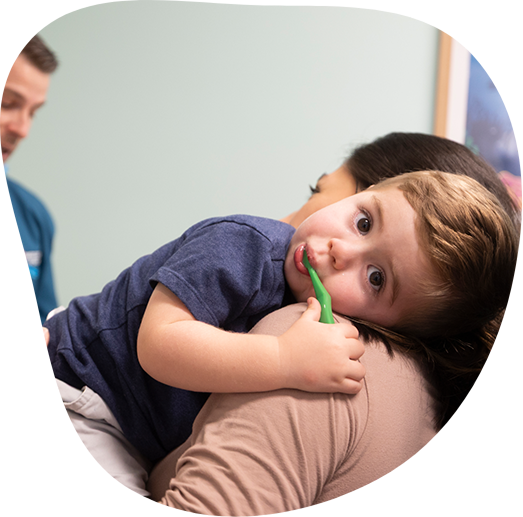
Should your child suffer a dental emergency, please don’t panic or stress out. Our team will quickly (and gladly) address the situation for you! After all, we follow solid steps to treat dental emergencies:
- A Same-Day Visit – We’ll book you for the earliest time possible when you call, perhaps even seeing your child the very same day. Before the appointment, our team can also provide first aid tips over the phone.
- Emergency Exam – Drs. Katie and Matt will check your child’s mouth when you both arrive. Afterward, they’ll use their findings to diagnose your youngster and determine the next best steps.
- Review of Findings – Our team will share some thoughts once the exam is over, suggesting suitable treatment options. Based on your (and your child’s) feedback, we’ll then draft and finalize a treatment plan.
- Quality Dental Care – When the treatment plan is drafted, we’ll effectively address your child’s oral condition. You can rest easily at that time; our team is skilled enough to fix many emergency dental issues.
The Most Common Pediatric Dental Emergencies
While you should always see us for your child’s dental emergencies, you mustn’t think that you’re helpless in these cases. You can take steps to handle your kids’ condition while you wait for their appointment. As for what to do, simply click one (or more) of the icons listed below and use the related instructions. The details you’ll find will make your child’s upcoming treatment smoother and more effective.
Understanding the Cost of Pediatric Dental Emergencies
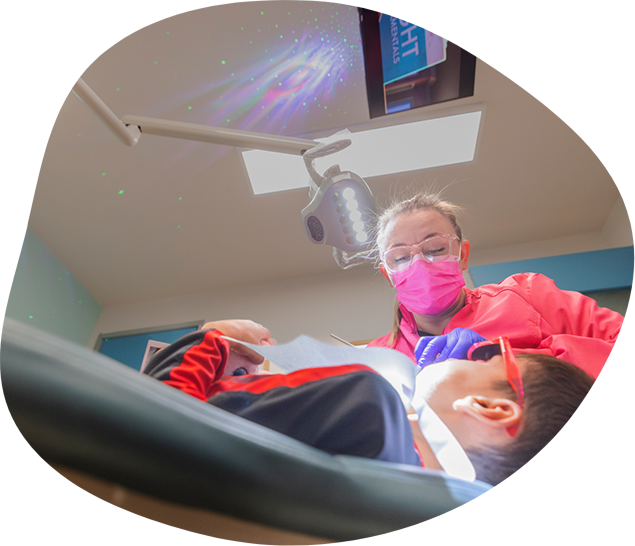
Whatever you might’ve thought, the cost of pediatric dental emergencies varies. Your child’s treatment price will inevitably depend on the nature of the issue, the treating dentist, etc. That means you’ll need to consult our team to get a precise estimate. Once you have, we’ll work to make your children’s care affordable and walk you through potential payment options.
How to Prevent Pediatric Dental Emergencies

To keep your child from having a dental emergency, please use the following tips:
- Don’t let your child use their teeth to open boxes, bottles, or remove tags from clothing.
- Whether the game involves physical contact or not, have your children use mouthguards every time they play sports.
- Make sure your kids don’t chew ice, pens, pencils, fingernails, etc.
- To keep your child’s teeth strong, encourage them to practice consistent oral hygiene.
- Have your child attend regular dental checkups and cleanings, as a dentist can treat their small oral issues before big problems can occur.
Pediatric Emergency Dentistry FAQs
Will my child’s toothache go away on its own?
Teeth cannot heal themselves, so any dental pain is only likely to worsen with time. However, there are some exceptions. The pain might go away on its own if its source was near a tooth rather than the tooth itself. For example, it could come from the gums or sinus pressure. Pain may also indicate an object that is stuck between the teeth.
In some cases, a toothache suddenly disappears because the nerve inside the tooth dies. The infection that cause the pain originally may still be present and could continue to spread. This is a particularly urgent dental emergency and requires prompt care from our Loveland team.
What can help my child sleep with tooth pain?
Dental pain often feels worse at bedtime because there are fewer distractions and your child is lying still. You can help by keeping their head slightly elevated, offering cool water, and using a cold compress on the outside of the cheek for short intervals. If your pediatrician has approved over-the-counter pain medicine, follow the label carefully by weight and age. Do not use heat on swollen areas or put medicine directly on the tooth or gums unless it is specifically made for that purpose.
Will pulling a bad tooth stop my child’s pain?
Removing a tooth also removes its nerve, which means it can no longer send pain signals to the brain. Extractions are an effective way to permanently end toothaches.
However, we are not quick to recommend tooth removal. Removing a baby tooth too early could cause spacing issues or other problems with oral development. If possible, we will try to repair or preserve the tooth with a crown, filling, or other type of restorative treatment.
Should I worry about a chipped tooth if it doesn’t hurt?
Yes, a chipped tooth still deserves a dental check even if your child says it does not hurt. Children may not notice sensitivity right away, and a small chip can easily lead to additional damage later on. Plus, the tooth’s jagged edges could irritate sensitive soft tissues. Have your child rinse their mouth with warm water, save any tooth fragment if possible, and use a cold compress if there is swelling.
When you bring your child to our office, we may repair the tooth with dental bonding or provide other restorative care as necessary.
Is a knocked-out baby tooth a dental emergency?
A knocked-out baby tooth should not be placed back into the socket because doing so can harm the permanent tooth developing underneath. Therefore, this situation is not as urgent as if a permanent tooth were to get knocked out.
Still, it is important to call us for guidance. Gently rinse your child’s mouth with water, apply light pressure with clean gauze if there is bleeding, and use a cold compress for swelling. Try to find the tooth so we can thoroughly assess the situation and recommend the next steps. Your child might need a space maintainer to preserve the spot of an incoming adult tooth.
Prevention-Based Dentistry Restorative Dentistry Lip & Tongue Tie Treatment Sedation Dentistry Nerve (Pulp) Treatment Tooth Extractions View Our Services