

Pediatric Airway Health in Loveland
We Help Children
Breathe Well & Live Well

Breathing well – both during the day and the night – can make a world of difference for a child. Not only do they rest better, but their faces are able to grow properly and their smiles develop beautifully and naturally. That’s why Dr. Katie and Dr. Matt are invested in airway health for their patients at Pediatric Dentistry of Loveland. This allows them to look beyond the teeth to understand how kids sleep, breathe, and grow each day.
Why Does the Airway Matter?
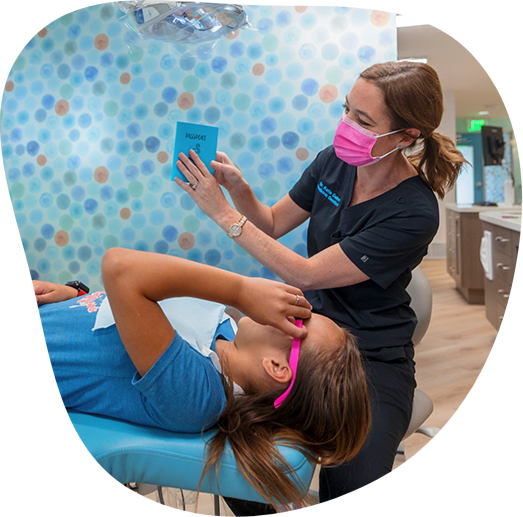
Many childhood concerns (snoring, restless sleep, mouth breathing, daytime fatigue, and even difficulty focusing) can be tied to how easily a child moves air through their nose and throat. Early detection allows us to guide growth, support healthy habits, and prevent bigger issues down the road.
Here is what we look for:
- Breathing patterns during sleep and throughout the day
- Tonsil and adenoid size and how they affect airflow
- Tongue posture and oral habits that influence jaw development
- Facial growth and dental arch shape, which can signal airway challenges
- Tongue ties that restrict proper positioning and development of the mouth
How We Support Your Child

“Healthy breathing fuels healthy growing. When we protect the airway, we protect the whole child.” – Dr. Matt
Our team works closely with families to create a personalized airway plan that may include habit coaching, growth-friendly dental guidance, early orthodontics, tongue tie release, or collaboration with trusted medical partners, including myofunctional therapists and ENT physicians. Every step is designed to be conservative, comfortable, and centered on your child’s long-term health.
Could My Child Have Airway Problems?
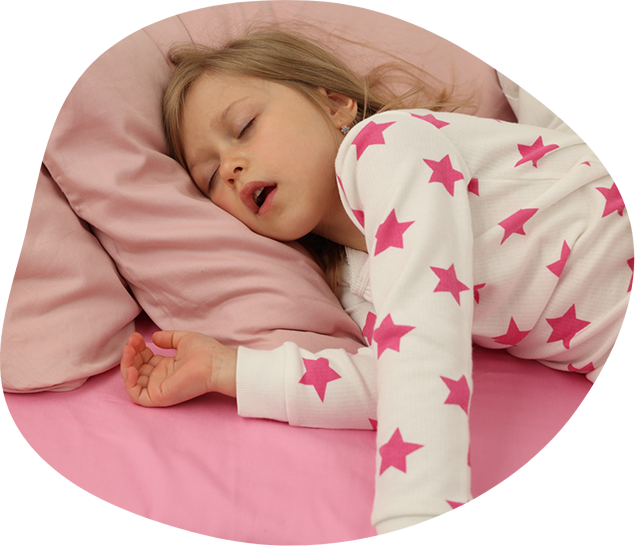
Poor airway health can be correlated with many different unique symptoms in a child. Here are some basic questions that a "Yes" answer could signify the need for more thorough evaluation of your child's airway health.
Nighttime Observations

- Is your child a "noisy" sleeper? Do you regularly hear snoring, heavy breathing, or gasping sounds while they sleep?
- Do they sleep with their mouth open? Take a peek while they are asleep—if their lips are apart and they are breathing through their mouth, it may indicate an airway obstruction.
- Are they "restless explorers" in bed? Does your child wake up with the covers tangled or in a completely different position than how they started?
- Do you hear grinding sounds? Does your child clench or grind their teeth (bruxism) loudly enough to hear from across the room?
- Are they experiencing "bedwetting" past a typical age? Frequent nighttime accidents in older children can sometimes be linked to sleep apnea.
Daytime Red Flags

- Is your child a "mouth breather" during the day? Do you notice them sitting with their mouth open while watching TV or reading?
- Are they difficult to wake up? Does your child seem "foggy" or excessively groggy in the morning, even after a full night’s sleep?
- Do they struggle with focus or "hyperactivity"? Many children with sleep disturbances are misdiagnosed with ADHD because poor sleep often manifests as restlessness and trouble concentrating.
- Are they experiencing frequent headaches? Does your child complain of headaches, especially in the morning?
- Are they "picky eaters" with certain textures? Children with narrow airways sometimes avoid "difficult" foods (like chewy meats) because it is hard for them to coordinate breathing and swallowing.